



One of our long-time, much-loved dog owners contacted us with the following case:
The owner left their dog alone in the apartment for a short period (about 30–60 minutes). When they returned home, their 20 kg dog was trembling, appeared confused, and a slice of cake had disappeared from the table. The cake had been sweetened with xylitol (birch sugar).
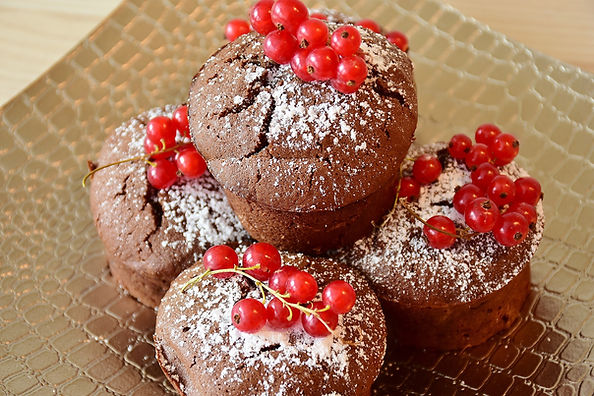
During the examination, the dog’s blood glucose level was 1.5 mmol/L, indicating severe hypoglycemia. We administered a glucose-containing intravenous infusion and anti-vomiting medication. Despite treatment, within a few days the dog developed jaundice (yellow discoloration of the conjunctiva, oral mucosa, and skin of the abdomen), became increasingly weak, and vomited several times. The dog required liver-protective therapy for another week before finally recovering.
Summary
In dogs, ferrets, and domestic rabbits (and although not yet documented in cats, it cannot be ruled out), xylitol (xylitol, birch sugar) can cause a severe drop in blood sugar within 30–60 minutes after ingestion. In up to two-thirds of cases, severe liver damage develops within three days, and nearly two-thirds of poisoned animals may die, even with the most careful veterinary treatment.
- 1.5 grams of xylitol can already cause hypoglycemia in a 10 kg dog.
This amount may be found in a single piece of sugar-free chewing gum sweetened with xylitol. - A slice of cake sweetened with xylitol may contain 5–10 grams of xylitol, which can cause severe liver damage even in a medium-sized dog.
Lesson Learned
In cases of xylitol (birch sugar) poisoning, immediate veterinary attention is critical.
Please contact us with confidence if you suspect such a case or have any concerns.