


For both animals and humans, approximately 70% of diseases are related to nutrition.
It is common knowledge that the physiological needs of a rabbit, a bird, or a dog are completely different. However, even among carnivores, the nutritional requirements of a cat, a dog, or a ferret differ significantly.
Within the same species, factors such as age, body size, activity level, health status, as well as environmental influences and sudden stress, can greatly alter nutritional needs.
With our current knowledge, we can significantly help you view nutrition as one of the most important foundations of health preservation. When combined with a well-designed lifestyle — and in the case of animals, care that closely resembles natural conditions — this becomes one of the key secrets to a long and healthy life.
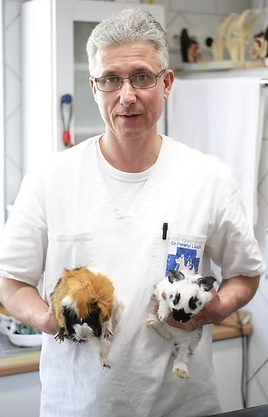
Rabbits are high-fiber, cellulose-digesting animals that naturally meet their energy needs primarily from grasses. This diet requires constant chewing, which ensures natural tooth wear — an essential process, as rabbit teeth grow continuously throughout their lives.
This principle must also be followed in domestic care. If a rabbit is fed mainly pellets, vegetables, or grains, its teeth will inevitably overgrow. This can lead to jaw deformities, chewing difficulties, nutrient deficiencies, severe digestive disorders, and even serious physical deterioration due to prolonged starvation.
In many cases, by the time owners notice symptoms (weight loss, drooling, diarrhea), the problem has already become severe. Dental grinding under anesthesia is then required — often repeatedly — significantly reducing the animal’s quality of life and lifespan.
Prevention is simple:
90–95% of a rabbit’s diet should consist of hay or grass, ensuring proper tooth wear and healthy digestion.
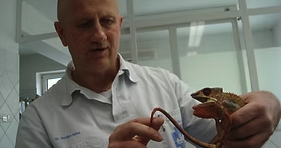
Before keeping reptiles (such as turtles, geckos, iguanas, agamas, snakes, etc.), it is essential to thoroughly understand their natural lifestyle, housing, and feeding requirements — and to follow them consistently.
In our clinic, most reptile health issues are caused by improper feeding and inadequate housing. For example, aquatic turtles often develop swollen eyelids or shell softening due to vitamin A and calcium deficiencies. A common mistake is feeding plain meat or processed meats, which lack essential nutrients required for proper bone and shell development.
A natural diet consists of small whole fish (including organs), tadpoles, bone-containing feed, supplemented with vitamins and occasional plant-based foods. Juvenile animals should be fed every two days, while adults require feeding only once or twice a week.
Once symptoms such as eye swelling or shell inflammation appear, recovery can only be achieved through veterinary treatment combined with proper nutrition.
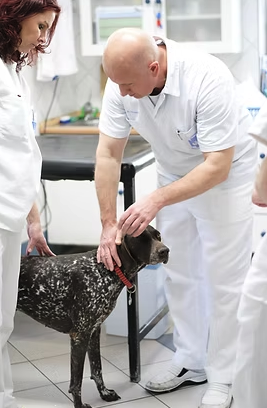
The enormous variation in adult body size (from 0.5 to 90 kg), breed-specific functions (sighthound, hunting dog, sled dog, guard dog, companion dog, working dog), and the vastly different needs of puppies, adults, and senior dogs make proper feeding a serious challenge — even in healthy animals. Feeding sick animals presents an even greater responsibility.
Large-breed puppies: Feeding excessive energy and quantities can first cause generalized bone inflammation and later developmental bone disorders. Think of wolf pups — lean, agile, and playful. This is also the healthy model for our own puppies. Many genetically predisposed diseases (e.g. hip dysplasia) can be prevented or mitigated this way.
Breed-specific storage diseases: e.g. copper storage disease in Bedlington Terriers and West Highland White Terriers.
Diseases related to obesity: including orthopedic, reproductive, cardiovascular diseases, tumors, and diabetes. Poorly managed weight loss can also cause serious metabolic disorders.
Neutered animals: energy requirements decrease by approximately 20–25%.
Special dietary needs of cancer patients and diabetic animals.
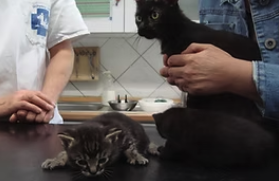
Cats have completely different metabolic and physiological requirements.
Unlike dogs, cats are obligate carnivores, meaning they must meet their energy needs primarily from protein. They digest proteins very efficiently, fats moderately, and carbohydrates very poorly.
Cats cannot synthesize certain amino acids and vitamins (far more than dogs can), so these must be supplied through their diet.
Cats must eat every 12 hours; otherwise, liver disorders and fat metabolism problems may develop.
The energy requirement of neutered cats decreases by approximately 20–25%.
Cats have higher steroid hormone levels at night, as they are natural nocturnal hunters. They also tolerate stress poorly — often first reacting with urinary problems, which can later develop into serious urinary tract diseases.

This website was created within the framework of, and with the support of, the Demján Sándor Program.
Opening hours: Monday–Friday, 11:00 AM–5:00 PM
Dr. Antal Rengei: 06-20-9217-737
Dr. János Szalay: 06-30-9532-698
Dr. László Perényi: 06-30-1956-960
Dr. Richárd Komáromi: 06-62-543-855
This website was created within the framework of, and with the support of, the Demján Sándor Program.
© 2025 Kisállat-Ambulancia Kft. All rights reserved.